
Two chambers: how Egypt’s Parliament is organised
Egypt’s Parliament has two chambers. The House of Representatives holds the country’s legislative authority, while the Senate, an upper house, has an advisory and proposing role. Both are set out in the Constitution as amended in 2019, and the article numbers below refer to the English translation of that text.
The House of Representatives
Under Article 101 the House is entrusted with legislative authority. It also approves the state’s general policy, the economic and social development plan and the state budget, and it oversees the executive branch. Members serve for five calendar years from the House’s first session (Article 106). The Constitution requires at least 450 members, with at least a quarter of the seats reserved for women (Article 102).
The Senate
The Senate was restored by constitutional amendments approved in a referendum held on 20–22 April 2019. Its predecessor, the Shura Council, had been dropped from the 2014 constitution. Article 248 describes the Senate’s task as studying and proposing what it sees as a tool to consolidate democracy and support social peace, the basic values of society, and rights, freedoms and public duties, and to deepen the democratic system. Under Article 249 its opinion is sought on matters that include proposed amendments to the Constitution, the general plan for economic and social development, and treaties affecting sovereignty.
The Senate has a number of members set by law and not fewer than 180. Two-thirds are elected by direct, secret, universal suffrage, and the President of the Republic appoints the remaining third (Article 250). Membership of the two chambers cannot be combined (Article 252), and the prime minister, his deputies, ministers and other members of the government are not accountable to the Senate (Article 253).
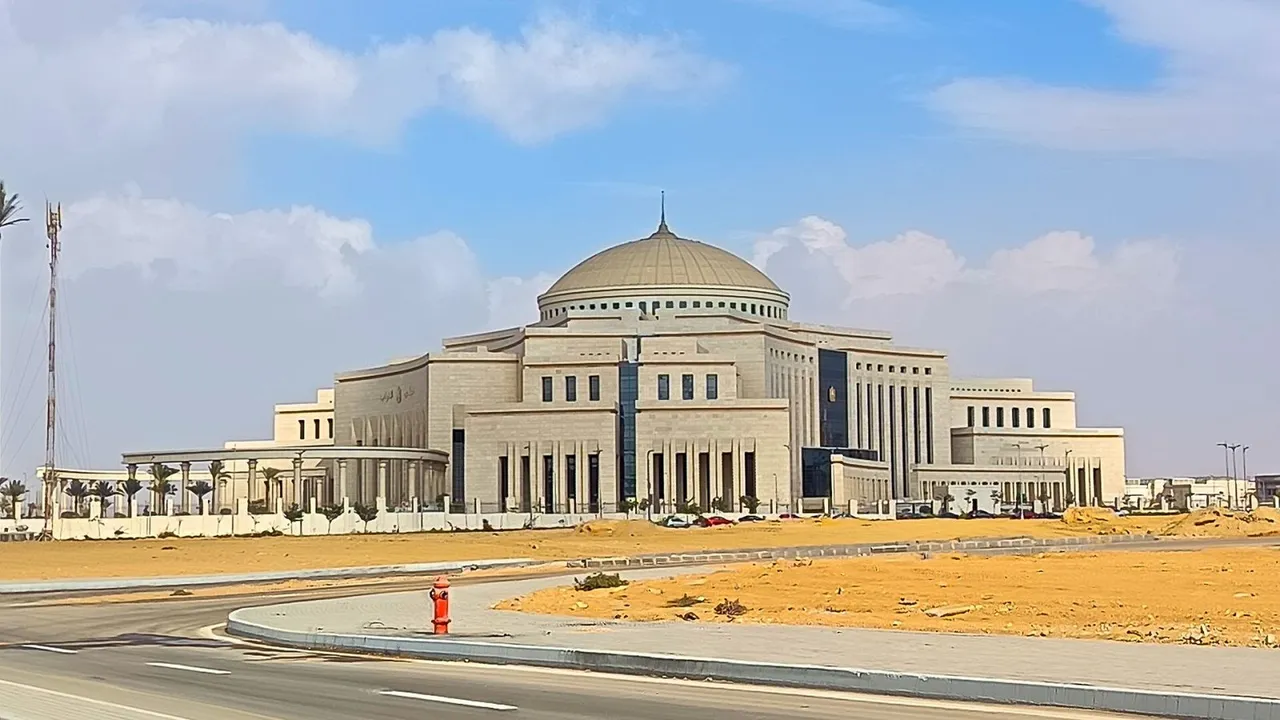
A new parliament complex stands in the New Administrative Capital, about 45 kilometres east of Cairo. Egypt’s parliamentary history is usually traced back to 1866.