The temples that moved: how the world saved Abu Simbel
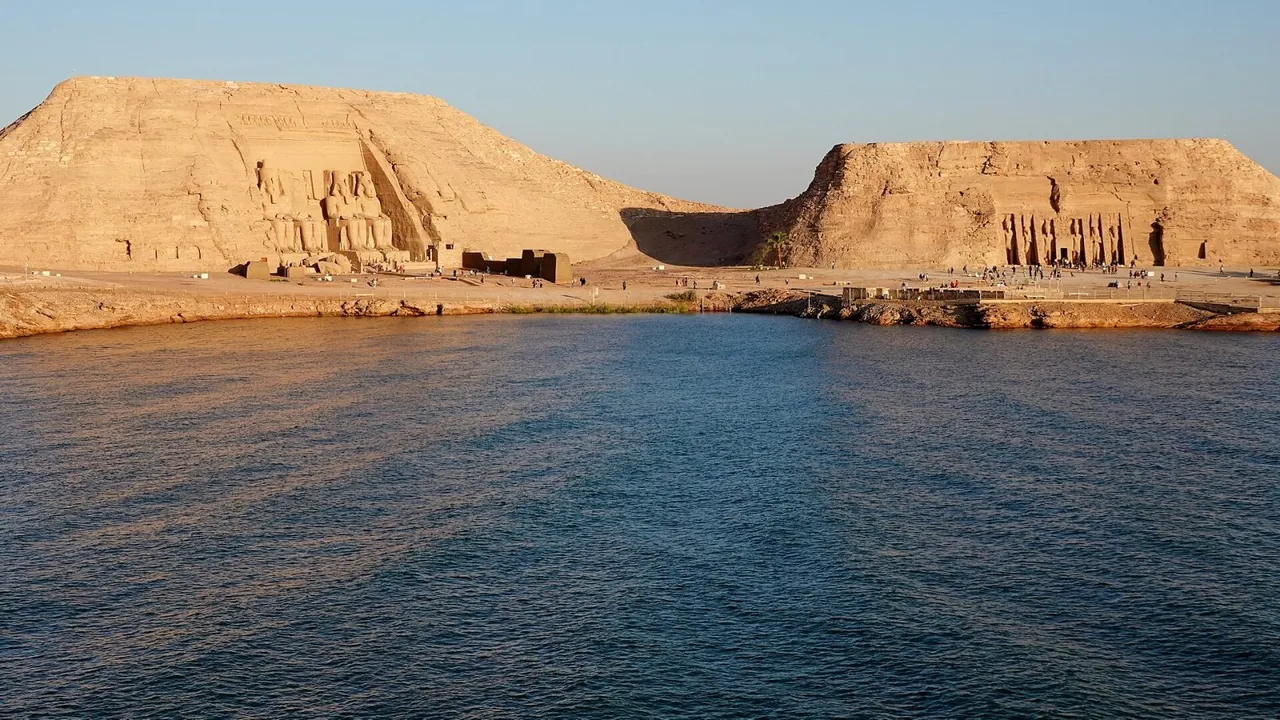
Abu Simbel, in Aswan Governorate near Egypt’s border with Sudan, was carved out of a hillside in the 13th century BCE, during the reign of Ramesses II. The Great Temple is fronted by four colossal seated statues of the king, and a smaller temple beside it is dedicated to the goddess Hathor, personified by his chief wife, Nefertari.
A race against rising water
In the 1960s the reservoir behind the Aswan High Dam, Lake Nasser, was filling, and its waters would have submerged Abu Simbel and other sites of ancient Nubia.
UNESCO launched the International Campaign to Save the Monuments of Nubia on 8 March 1960. Some 30 countries set up national committees to support it, and donations from around 50 countries covered half of its cost of roughly US$80 million. In all, 22 monuments and complexes were saved.
At Abu Simbel the temples were cut into more than a thousand blocks, moved to higher ground and reassembled inside an artificial hill built to recreate their original setting. The site was inaugurated in its higher position on 22 September 1968.
A model for World Heritage
Nubian Monuments from Abu Simbel to Philae was inscribed on the World Heritage List in 1979. UNESCO says the Nubian campaign spurred the development of the World Heritage Convention, which was adopted in 1972.